

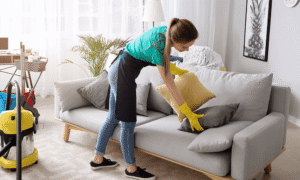
Sofas gather an unexpected quantity of dirt, allergens, and microbes from regular use. Brief overview:
- Cells from skin, perspiration, natural oils from humans and animals.
- Food remnants, leaks, oil, beverage marks.
- Animal dander, hair, spit.
- Dirt, pollen, and droppings of dust mites.
- Particles from the environment (soil, external pollutants on clothing).
- Fungus/fungi in humid environments.
- Commonly observed contamination levels (as indicated by studies/measurements)
- Bacteria and microbes: home furnishings frequently contain thousands to millions of colony-forming units (CFU) per square inch in frequently touched areas (armrests, seat folds). The numbers differ significantly based on usage and cleaning practices.
- Dust mites: mattresses and upholstered furniture often harbor dust-mite communities; populations vary based on humidity levels and cleanliness. Comparative studies reveal that couches, particularly remote controls and cushions, may harbor as many or more microbes than kitchen surfaces and considerably more than bathroom surfaces that receive more frequent cleaning
Areas of significant risk
Arm supports, seat borders, cushion stitches, gaps between cushions, and beneath cushions.
Remote controllers, decorative cushions, and throws abandoned on the sofa.
Health hazards
Triggers for allergies/asthma (dust mites, pet hair).
Skin irritation or infections due to elevated bacterial levels when you have cuts or damaged skin.
Smells from bacteria, mold, or leftover food.
Heightened likelihood of mold in humid/badly aired environments.
Indicators that your sofa is quite soiled.
Lingering smells, noticeable stains, color changes, excessive fiber/pet hair, numerous visible crumbs.
Cleaning your couch thoroughly at least once a year is a solid guideline — however, its significance varies based on usage and household conditions.
- Eliminates accumulated dust, dead skin cells, food particles, and pet hair that vacuuming overlooks.
- Decreases allergens (dust mites, pollen) and smells.
- Reduces microbial presence (bacteria, mold) that may lead to odors or skin discomfort.
- Prolongs the lifespan of fabric/leather by stopping dirt from damaging fibers and coatings.
- Revives look (eliminates tough stains, levels texture).
When yearly thorough cleaning is acceptable
- Households with minimal traffic, no pets, infrequent spills, and no allergy patients.
- The couch is frequently vacuumed, spot-treated, and shielded with covers.
When it’s necessary to clean more frequently
- Pets, small kids, smokers, regular couch dining, allergies/asthma, noticeable stains or smells — perform a deep clean every 3–6 months or as required.
Indicators that it’s time for a thorough cleaning immediately
- Ongoing smell, noticeable marks, color change, heightened allergy reactions, or fabric feels rough.
Key takeaway
Yearly deep cleaning is a reasonable baseline for upkeep, raise the frequency as a pet owner, frequent use, or allergies to safeguard health, aesthetics, and durability, we suggest once to twice a year to avoid all of the stated above. You will see and feel the difference.